How Custom Thickness Plywood Enhances Craft Manufacturing
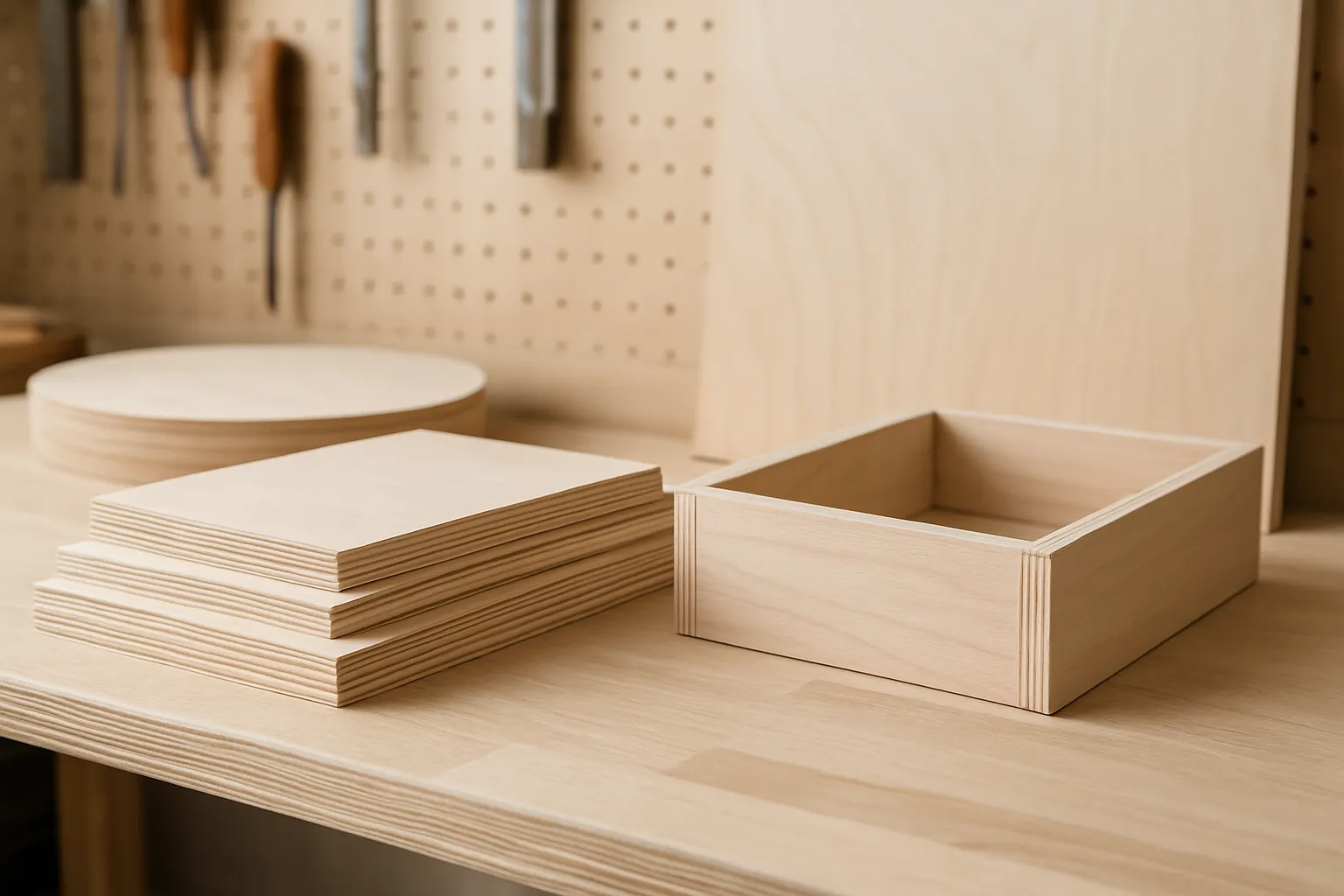
In the world of craft product manufacturing, the selection of materials plays a critical role in shaping the quality and functionality of the final product. Among the materials gaining traction among manufacturers is custom thickness plywood. This adaptable material is engineered to meet precise thickness requirements, enabling artisans and manufacturers to create products that are visually appealing and structurally robust.
Custom thickness plywood refers to plywood manufactured to specific thickness specifications, tailored to the unique demands of various projects. Its significance in craft product manufacturing is immense; it offers the flexibility and precision essential for producing high-quality items. By utilizing custom thickness plywood, manufacturers can enhance their production capabilities, streamline processes, and ultimately deliver superior products to customers.
Understanding the Specifications of Custom Thickness Plywood
When considering custom thickness plywood, grasping its specifications is crucial for making informed decisions.
- Material Options: Custom thickness plywood can be crafted from an array of wood species, including birch, oak, and maple. Each wood type presents its unique characteristics—such as grain patterns, durability, and weight—enabling manufacturers to select the most suitable option for their specific applications.
- Thickness Variations: A key advantage of custom thickness plywood is the ability to specify the exact thickness required for a project. Common thicknesses range from 1/8 inch to 1 inch or more, allowing manufacturers to choose a thickness that strikes a balance between strength and weight for their particular needs.
- Grading Standards: Plywood is graded based on its appearance and structural integrity. Familiarity with these grading standards is essential for manufacturers to ensure that the plywood they select meets their quality expectations. Higher-grade plywood typically features fewer defects and a more consistent appearance, making it ideal for visible surfaces.
Applications of Custom Thickness Plywood in Craft Product Manufacturing
Custom thickness plywood is incredibly versatile and finds applications across various segments of craft product manufacturing.
- Furniture Production: In the furniture industry, custom thickness plywood is frequently utilized for crafting tabletops, cabinets, and shelving. Its strength and durability make it a preferred choice for both commercial and residential furniture, allowing manufacturers to produce items that can endure daily use.
- Decorative Items: Artisans often use custom thickness plywood to create decorative items such as wall art, signs, and ornaments. The ability to customize thickness facilitates intricate designs and detailed finishes, enhancing the aesthetic appeal of these products.
- DIY Projects: For DIY enthusiasts and small-scale manufacturers, custom thickness plywood provides the flexibility necessary for various projects. From constructing custom shelves to designing unique home décor, the adaptability of this material supports a wide range of creative endeavors.
Custom Thickness Plywood vs. Standard Plywood
When evaluating materials for craft product manufacturing, it is essential to compare custom thickness plywood with standard plywood.
- Performance Differences: Custom thickness plywood often outperforms standard plywood in terms of strength and durability. By selecting the precise thickness needed, manufacturers can enhance the structural integrity of their products, ensuring they meet performance standards.
- Cost Considerations: Although custom thickness plywood may incur a higher initial cost compared to standard options, the long-term benefits can justify these expenses. The ability to create high-quality, durable products can lead to increased customer satisfaction and repeat business.
- Customization Benefits: The primary advantage of custom thickness plywood is its capacity to be tailored to specific project requirements. Such customization is typically unavailable with standard plywood, making it a more attractive option for manufacturers seeking to differentiate their products.
Finding Custom Thickness Plywood Suppliers
Identifying the right supplier for custom thickness plywood is a critical step in the manufacturing process.
- Finding Reliable Suppliers: Manufacturers should seek suppliers with a proven track record in providing high-quality custom thickness plywood. Online directories, industry trade shows, and recommendations from peers can serve as valuable resources for identifying reputable suppliers.
- Evaluating Quality and Certifications: It’s vital to assess the quality of the plywood being sourced. Look for suppliers that adhere to industry standards and possess relevant certifications, such as the Forest Stewardship Council (FSC) certification, which ensures sustainable sourcing practices.
- Pricing Strategies: When sourcing custom thickness plywood, manufacturers should consider various pricing strategies. Bulk purchasing can often lead to discounts, while establishing long-term relationships with suppliers may result in more favorable pricing and terms.
Integrating Custom Thickness Plywood in Manufacturing Processes
Successfully incorporating custom thickness plywood into manufacturing processes requires a thoughtful approach.
- Cutting and Shaping Techniques: Precision cutting and shaping are crucial when working with custom thickness plywood. Manufacturers can utilize CNC machines for intricate designs or traditional hand tools for more straightforward projects, ensuring that the material is cut to exact specifications.
- Joining Methods: The choice of joining methods significantly influences the overall strength and durability of the final product. Common techniques include doweling, biscuit joining, and using screws or adhesives, each offering different benefits depending on the application.
- Finishing Options: Custom thickness plywood can be finished in various ways, including staining, painting, or sealing. These finishing options enhance the visual appeal of the products and protect the wood from wear and tear, extending the lifespan of the items.
Frequently Asked Questions about Custom Thickness Plywood
Common Misconceptions: One misconception is that custom thickness plywood is reserved only for high-end products. In reality, it can be employed across a broad spectrum of applications, delivering value at all price points.
Maintenance and Care: Proper maintenance of custom thickness plywood products is essential for longevity. Regular cleaning and applying protective finishes can help maintain their appearance and structural integrity.
Availability and Lead Times: Custom thickness plywood is widely available, but lead times can vary based on the supplier and the specific thickness required. Manufacturers should communicate clearly with suppliers to establish realistic timelines for their projects.
Conclusion
Custom thickness plywood is an invaluable asset in craft product manufacturing, offering numerous benefits that enhance the quality and functionality of finished products. By understanding its specifications, use cases, and implementation strategies, manufacturers can effectively leverage this material to improve their production processes and address the diverse needs of their customers. As the demand for unique and high-quality craft products continues to grow, investing in custom thickness plywood can provide a competitive edge in the marketplace. For more detailed information, you can refer to this industry reference on custom thickness plywood.