
Laser Processing Techniques: Enhance Handicraft Efficiency
1. Introduction to Laser Processing in Handicrafts
In today’s dynamic world of handicraft production, laser processing stands out as a revolutionary technology that enhances both creativity and efficiency. By utilizing focused beams of light, laser technology allows for cutting, engraving, and etching materials with remarkable precision. This capability is invaluable for artisans and manufacturers striving to meet increasing market demands, particularly in an era where customization is a key differentiator. In my experience, leveraging innovative techniques like laser processing is crucial for businesses aiming to remain competitive. For further insights into the benefits of laser technology, refer to this industry reference.
2. Understanding Basswood Plywood
Basswood plywood is favored by many artisans for its unique properties and versatility. This lightweight yet durable material boasts a fine grain and smooth surface, making it perfect for intricate designs and detailed work. The advantages of basswood plywood in handicraft applications are numerous. It is user-friendly, allowing for clean cuts and precise engravings—benefits that become even more pronounced when employing laser processing techniques.
Additionally, its natural aesthetic appeal enhances the overall quality of the finished product, making it a preferred choice for custom crafts, model making, and decorative items. For more information on our offerings, visit our products page.
3. Laser Processing Techniques
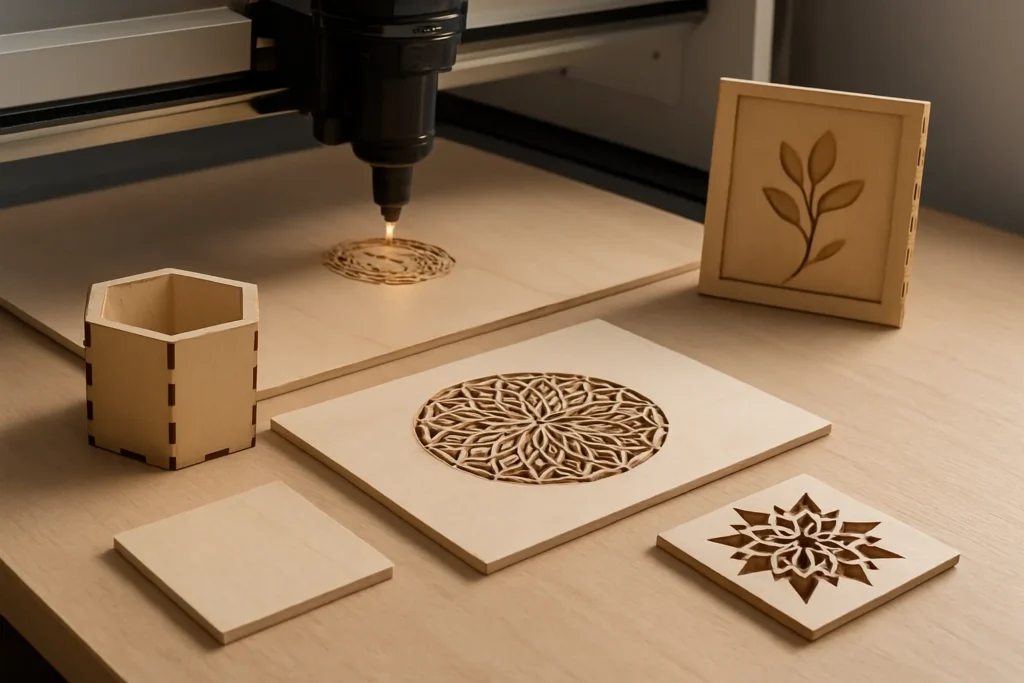
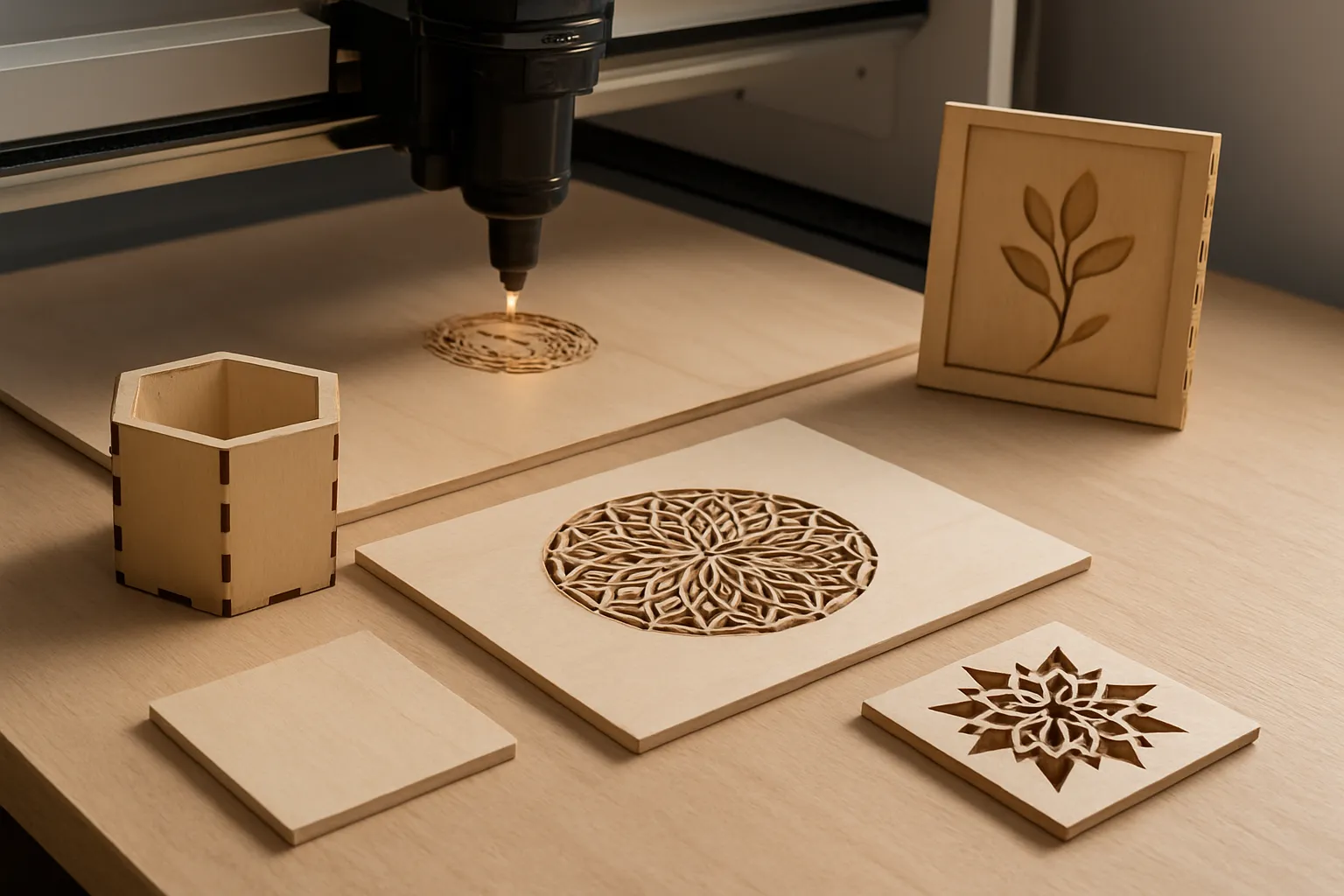
Laser processing incorporates a variety of techniques, including laser cutting, engraving, and marking, each providing distinct advantages when working with basswood plywood.
- Types of Laser Processing:
- Laser Cutting: This method employs a high-powered laser to cut through materials, enabling the creation of complex shapes and designs with minimal effort.
- Laser Engraving: This technique etches designs onto the material’s surface, achieving a level of detail that traditional methods often struggle to replicate.
- Laser Marking: This process modifies the surface of the material without cutting into it, allowing for branding or decorative effects.
The precision offered by laser processing results in clean edges and intricate details, minimizing the need for post-processing. Moreover, the speed of laser cutting and engraving significantly reduces production times, allowing businesses to meet tight deadlines and efficiently fulfill custom orders.
4. Use Cases of Laser Processing in Handicrafts
The versatility of laser processing opens up a wealth of possibilities for handicraft applications, marking it as a game-changer for artisans.
- Custom Designs and Personalization: The capability to create bespoke items is a major advantage of laser processing. Artisans can easily engrave names, logos, or unique patterns onto basswood plywood, providing customers with personalized products that stand out in the marketplace.
- Prototyping and Production Efficiency: Laser processing facilitates rapid prototyping, enabling designers to quickly create samples and test their concepts before committing to larger production runs. This approach not only saves time but also minimizes material waste, contributing to a more sustainable production process.
5. Comparing Laser Processing with Traditional Methods
When assessing the effectiveness of laser processing against traditional methods, several key factors emerge.
- Cost-Effectiveness: Although the initial investment in laser processing equipment may exceed that of traditional tools, the long-term savings in labor costs, material efficiency, and reduced waste can make it a more financially viable option for businesses.
- Speed and Precision: Laser processing delivers unmatched speed and precision. Traditional methods often involve manual labor, which can lead to human error, while laser technology guarantees consistent quality and faster turnaround times, allowing businesses to scale their operations seamlessly.
6. Sourcing Laser Processing Equipment
Investing in the right laser processing equipment is essential for maximizing the benefits of this technology.
- Key Specifications to Consider: When sourcing laser cutters or engravers, evaluate the power of the laser, the size of the working area, and the types of materials the machine can accommodate. Additionally, it’s crucial to assess software compatibility and user-friendliness.
- Recommended Suppliers and Brands: Leading brands such as Epilog, Trotec, and Universal Laser Systems provide a variety of laser processing solutions suitable for handicraft applications. Researching and comparing different models can assist businesses in finding the best fit for their specific requirements.
7. Implementing Laser Processing in Your Business
Integrating laser processing into an existing handicraft business requires thoughtful planning and execution.
- Steps for Integration: Start by evaluating your current production processes to identify areas where laser processing could add value. Following this, invest in the necessary equipment and software, and establish an efficient workflow that incorporates laser technology.
- Training and Skill Development: To fully capitalize on laser processing, it’s vital to provide training for your team. This includes understanding how to operate the machinery, acquiring software design skills, and learning maintenance procedures to ensure longevity and optimal performance.
8. Frequently Asked Questions
As businesses contemplate implementing laser processing, several common concerns often arise.
- Common Concerns About Laser Processing: Questions may arise regarding the safety of laser equipment, the learning curve associated with new technology, and the potential for material waste. Addressing these concerns through proper training and safety protocols can help alleviate apprehensions.
- Troubleshooting and Maintenance Tips: Regular maintenance is crucial for the longevity of laser equipment. This includes routine cleaning of lenses, checking alignment, and ensuring software is up to date. Familiarizing staff with troubleshooting practices can also reduce downtime and improve productivity.
Conclusion
In conclusion, laser processing techniques for handicraft production, particularly when applied to basswood plywood, provide substantial advantages in efficiency, precision, and customization. By understanding the capabilities of laser technology alongside the properties of basswood plywood, artisans and manufacturers can elevate their craft and successfully meet the demands of a competitive marketplace. As the industry continues to evolve, embracing such innovative techniques will be essential for sustained growth and success in the handicraft sector.